Tiếng Việt
Consulting
What is Copper Cables? Structure and Installation
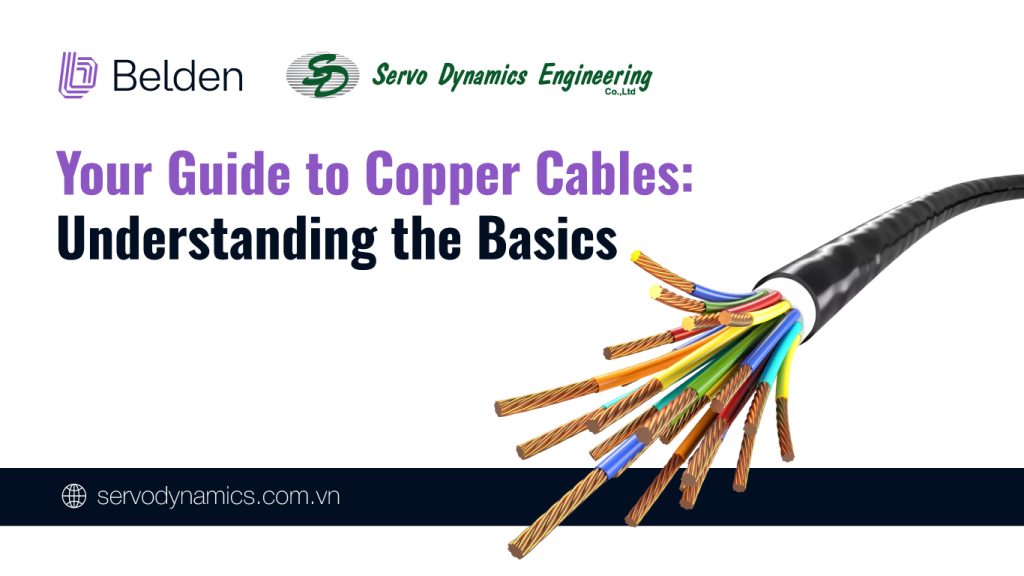
Even if you are not a technology expert, understanding copper cables can help you make better decisions for your home or business network. Copper cables remain the foundation of many modern electrical and telecommunication systems due to their stability and cost-effectiveness.
This detailed guide answers the most common questions about copper cables, covering their concept, structure, popular types, and providing instructions for selecting and performing standard technical installation of copper cables safely.
What is Copper Cable?
Concept of Copper Cable
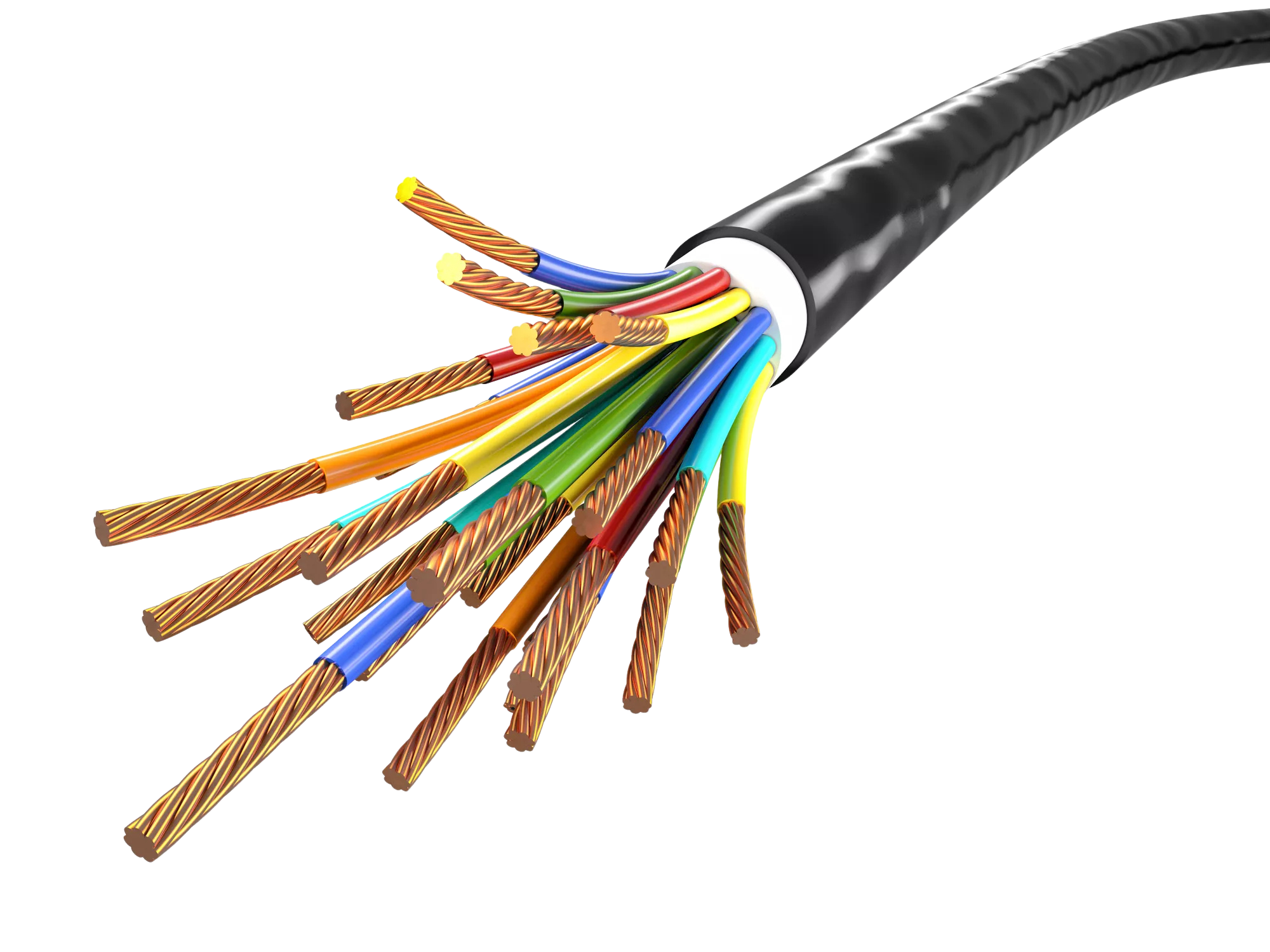
Copper cable is a conductor made from the metal copper (Copper – Cu), known for its excellent electrical and thermal conductivity. They are designed to efficiently transmit both electrical energy and data/voice signals.
Essentially, a copper cable contains one or more copper conductors encased in an insulating layer and a common protective sheath. Copper’s superior conductivity has made it the top choice for transmission over short to medium distances, especially in Local Area Networks (LANs) and domestic/industrial power distribution systems.
What are Copper Cables used for?
Copper cables play essential roles in many fields:
- Power Transmission (Electrical Power): A primary component in power transmission and distribution systems, running from power plants to homes and businesses.
- Signal/Telecommunication Transmission: Transmitting voice signals and high-speed data (Ethernet) between network devices such as computers, switches, and routers.
- Camera & Surveillance Systems: Coaxial cables are used to transmit analog video signals for CCTV cameras.
- Grounding & Lightning Protection Systems: Bare or braided copper cables are used to conduct lightning current safely to the ground, protecting structures and equipment.
Pros and Cons of Copper Cables
Despite competition from fiber optics, copper cables maintain their position thanks to outstanding advantages:
| Pros | Cons |
|---|---|
| Lower Cost: Lower initial material and installation cost compared to fiber optic. | Distance Limitation: Most effective over short distances (typically < 100m for Ethernet networks). |
| Easy Installation: Simple installation and splicing procedures, requiring less specialized equipment. | Susceptible to Electromagnetic Interference (EMI): Easily affected by noise from strong power sources or other equipment. |
| PoE Support (Power over Ethernet): Transmits both data and power over the same cable (for network cables). | Speed Limitation: Significantly lower transmission speed than fiber optic over long distances. |
| High Mechanical Strength: Better resistance to tensile force, bending, and physical impact than fiber optic strands. | Heavier Weight: Higher weight, making large-scale installation more challenging. |
Comparing Copper Cable and Fiber Optic Cable (Short & Easy to Understand)
| Criterion | Copper Cable | Fiber Optic Cable |
|---|---|---|
| Transmission Principle | Electrical signal (Electron) | Light signal (Photon) |
| Speed/Bandwidth | Fast speed (Gbps), but limited bandwidth. | Very fast (Tbps), virtually unlimited bandwidth. |
| Distance | Short (Max 100m for LAN) | Very long (Tens of kilometers) |
| Cost | Low initial cost. | High initial cost, requires specialized equipment. |
| Interference Immunity | Susceptible to electromagnetic interference. | Completely immune to electromagnetic interference. |
Structure of Copper Cables
Understanding the internal structure helps you choose the right cable type for environment and performance requirements.
Copper Conductor
This is the core component, responsible for transmitting electricity or signals. The conductor can be:
- Solid: A single copper wire, typically used for fixed cables run inside walls, offering high mechanical strength.
- Stranded/Flexible: Composed of multiple small copper wires twisted together, more flexible, often used for patch cables or power cables requiring frequent bending.
Insulation Layer (PVC, XLPE…)
A layer of polymeric material wrapped around the conductor to prevent electrical leakage, protect the core from moisture, and maintain spacing between cores to reduce signal interference. Common materials include:
- PVC (Polyvinyl Chloride): Common, inexpensive, typically used for indoor cables.
- XLPE (Cross-linked Polyethylene): Superior heat resistance, overload capacity, and insulation, often used for medium and low voltage power cables.
Shielding / Armor Protection (if applicable)
This is an important supplementary protective layer for specialized cables:
- Shielding: Usually aluminum foil or braided copper mesh. This layer helps network cables (FTP, STP) and coaxial cables minimize external electromagnetic interference.
- Armor: A rigid metallic outer casing (often steel) surrounding the cable, used for underground cables or cables in harsh industrial environments.
Outer Sheath
The outermost layer, responsible for protecting the entire cable from physical damage, chemicals, UV rays (if outdoor installation), and moisture. Depending on the environment, the sheath may be made of PVC, PE, or Low Smoke Zero Halogen (LSZH) material.
Distinguishing the Structure of Different Types of Copper Cables
| Cable Type | Distinctive Structure | Main Application |
|---|---|---|
| Power Copper Cable (CV, CXV) | Single/multi-strand large core, thick insulation (PVC, XLPE), sometimes with armor protection. | Electrical power transmission. |
| Coaxial Cable | A single central conductor, insulation layer, metallic braid (shielding), outer sheath. | CCTV cameras, cable television. |
| Twisted Pair Copper Cable | 4 pairs of small copper wires twisted together (to cancel internal noise), encased in a common sheath. | Ethernet network (LAN). |
Current Popular Types of Copper Cables
Power Copper Cables
The most common types of power cables include:
- CV Cable (Cu/PVC): Copper Core / PVC Insulation. Typically used in residential applications, with lower load and temperature capacity than CXV.
- CXV Cable (Cu/XLPE): Copper Core / XLPE Insulation. Good resistance to heat and overload, widely used in industry and medium voltage transmission.
- Stranded/Flexible Copper Cable: Flexible, easy to bend, used for connections in electrical cabinets or mobile equipment.
- Solid Copper Cable: High rigidity, used for fixed wiring in conduits or cable trays.
Coaxial Cable
The concentric design makes coaxial cable ideal for transmitting video signals and radio frequencies.
- RG6: Standard for cable television and broadband internet.
- RG59: Common for older CCTV surveillance systems.
- RG11: Used for longer distances, low signal attenuation.
- Coaxial cable with integrated power: Integrates two additional power conductors in a common cable sheath, convenient for camera installation.
Telecommunication – Network Copper Cables
- UTP (Unshielded Twisted Pair) Cat5e / Cat6 copper core: The most common standard for Ethernet networks.
- Twisted Pair Cable: Includes UTP (unshielded) and STP (Shielded Twisted Pair – with shielding).
Bare Copper Cable & Braided Copper Cable
- Bare Copper Cable (10–240mm²): Copper wire without sheathing, used as lightning conductors or grounding wires.
- Braided Grounding Copper Cable: Consists of many small copper strands braided together, used for flexible connections in grounding systems.
- Lightning Conductor Copper Cable: Used to create a safe path for lightning current.
PVC – XLPE Insulated Copper Cables (Various Sizes)
Power cables come in various cross-sections to match load capacity and usage needs:
- Common sizes: 16mm², 25mm², 35mm², 50mm², 70mm², 95mm², 120mm², 240mm², etc.
Applications of Copper Cables
In Transmission – Power Distribution
Copper cable is the backbone of low- and medium-voltage power grids, used to connect substations, main electrical cabinets, and distribute power to consumer branches.
In Camera Systems – Television – Surveillance Equipment
Coaxial cable is the standard choice for signal transmission in surveillance and cable TV systems due to its ability to maintain stable signals at high frequencies.
In Telecommunication Networks – Internet – Ethernet
Twisted pair cables (Cat5e, Cat6) are the primary means of data transmission in LANs for offices, factories, and homes, supporting speeds from 100Mbps to 10Gbps.
In Grounding – Lightning Protection Systems
Bare copper cables and braided copper cables are used in direct lightning protection systems and grounding (earthing) systems to ensure electrical safety.
In Industry, Construction, and Electrical Cabinets
Flexible copper cables are widely used for internal wiring in control cabinets, industrial machinery, and construction projects where cables need to withstand vibration or frequent bending.
Standard Technical Installation of Copper Cables
Proper copper cable installation is the key factor determining the performance and lifespan of the system.
Requirements Before Installation
- Check Cross-Section: Ensure the cable cross-section is suitable for the designed current load (avoid overloading).
- Check Resistance & Insulation Standard: Use a multimeter to verify low resistance and that the insulation layer meets standards.
- Select the Correct Type for the Application: Choose CXV cable for high-temperature environments, shielded cable (STP/FTP) for environments with high electromagnetic noise.
Methods for Pulling – Routing Copper Cables
- Run inside PVC/HDPE conduit: Protects the cable from mechanical impact and moisture.
- Run in cable trays/ladders: Common in industrial and large buildings for easy management and maintenance.
- Surface-mounted – Concealed: Surface-mounted on walls (easy to maintain) or concealed inside walls/ceilings (aesthetics).
- Outdoor Suspension: Use cables with UV-resistant and moisture-resistant sheathing (often PE sheath or with a messenger wire).
How to Splice Copper Cables
- Splicing Power Cables: Use heat-shrinkable splice sleeves or cast joint kits, ensuring water tightness and conductivity equal to or better than the original cable.
- Splicing Coaxial Cables: Use F-connectors or BNC-connectors, crimped with specialized tools.
- Splicing Braided Grounding Cable: Often uses exothermic welding (Cadweld) or specialized copper clamps to ensure the splice has very low resistance and high durability.
Rules for Crimping Cable Lugs – Clamping Cables – Terminating Cables
- Using Copper Cable Lugs (Cosse): Ensure the lug is applied with sufficient force according to standards for the best electrical contact, avoiding looseness that causes heating.
- Using Coaxial Crimping Tools: Must use the correct type of crimping tool suitable for the connector type to ensure a firm connection and prevent signal loss.
- Using Splice Clamps, Lugs (Cosse): Use lugs appropriate for the cable cross-section and tighten them with specialized hydraulic/mechanical crimping tools to prevent arcing or overheating.
Safety Notes During Installation
- Safety Distance: Maintain separation between data cables and power cables to avoid electromagnetic interference.
- Moisture and Water Protection: Ensure all splices and cable ends are protected from moisture, especially when run outdoors or underground.
- Bend Radius: Do not bend the cable too sharply. The minimum bend radius is typically 4 to 8 times the cable’s outer diameter (depending on manufacturer standards) to avoid damaging the core and insulation.
- Avoiding Electromagnetic Interference: Install shielded network cables (STP/FTP) when routing near generators, motors, or high-voltage power lines.
Experience in Choosing and Buying Copper Cables
Selecting high-quality copper cables from a reputable supplier will determine the stability and safety of the system.
Choosing the Cross-Section Appropriate for the Load
This is the most critical step. The cable cross-section must be greater than or equal to the required cross-section based on the maximum current (Amperes) of the equipment. Choosing an undersized cable will lead to voltage drop, overheating, and a risk of fire.
Choosing the Cable Type by Application
| Application | Recommended Cable Type |
|---|---|
| Internal wiring in electrical cabinets | Flexible copper cable, PVC insulation. |
| Outdoor power distribution | CXV (XLPE) cable with UV-resistant sheathing. |
| High-speed LAN network (1Gbps or higher) | Cat6 UTP/FTP cable. |
| Analog camera system | RG6 coaxial cable. |
Distinguishing Genuine Cadivi – Cadisun – Sino Cables
Check the origin, anti-counterfeiting stamps, and the following signs:
- Sheath Color: Genuine cable sheaths usually have vibrant colors and sharp, smudge-free printing.
- Actual Cross-Section: Poor quality cables often have an undersized cross-section (smaller core). Genuine cables guarantee the standard copper cross-section.
- Copper Core: The copper should be bright, smooth, without blackening or pitting.
How to Check Copper Cable Quality
- Check Actual Cross-Section: Measure the conductor diameter with a micrometer or compare weight/length against technical specifications.
- Measure Attenuation/Resistance: Use specialized measuring equipment (e.g., network cable tester, Ohmmeter) to check electrical resistance and signal attenuation. Lower resistance indicates higher quality.
- Detecting Hidden Breaks: For network cables, use a tester to confirm continuity and wire map.
Servo Dynamics Engineering: Authorized Distributor of Belden in Vietnam
To ensure you have the best copper cables for your network, choosing a reputable supplier is crucial. Servo Dynamics Engineering is the Authorized Distributor of Belden in Vietnam, supplying high-quality Belden products, especially specialized copper cable solutions for industry and telecommunications. Belden is a globally renowned brand for reliable, high-performance copper cable and connectivity solutions. By choosing an authorized distributor like Servo Dynamics Engineering, you can be confident that you are using genuine, high-quality products that help build a strong, stable network meeting international standards.